Buddha Statues’ Heads: What it actually means.
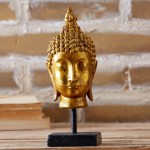
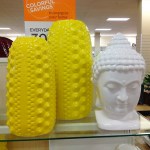
Yesterday, I went shopping at Homegoods with my mom for some interior decorations and a few gifts. And what do you know: Buddha’s heads, either in brass and sold as “antique” or dipped in bright neon paint. My mom shook her head in disapproval and laughed. This really got my mind thinking that shoppers have literally no clue what these statues’ heads are really about.
This really got my mind thinking about that Thai movie “Ong-Bak“ about how a group of thieves decapitated a Buddha statue’s head & how a Muay Thai skilled warrior volunteered to return it before it is sold in the black market. Cutting off that religious statue’s head is seen as an act of vandalism & violence. It is one of the utmost disrespectful marks one could do in the religion. The original heads were stolen from respected places of worship. Cutting off Buddha statues’ heads have been happening for who-knows-how-long originally by greedy thieves.
And now they are replicated into fashion statements or interior decorating. They really have such a dark history behind them that nearly a lot of people had forgotten. (None of those pictures belong to me.)
The Buddha bust, usually in a faux Thai or Indonesian style, is one of the ugliest and most ignorant bourgeois accoutrements one can posses. Not only is it a bland and obvious attempt to purchase the appearance of spiritual depth, its presence immediately belies a total ignorance of the context and history of Buddhist images themselves!
A severed Buddha head, plundered from Borobudur, in the corner of a gentleman’s study is a romantic relic from a bygone age when the world considered genocide and forced military conquest a viable means of affairs. To keep a stolen cultural artifact as a trophy is to deny a sovereign people access to their own cultural heritage to satisfy one’s own ego.
That the idea of the severed Buddha head as decoration flourishes today is a disappointing remainder that the aesthetics marketed towards the middle class are a cheaper version of those objects collected by the wealthy, further divorced from their original context.The Buddha is not an accessory or a complement for your decor.
Reblogging for historical context I didn’t know about.
This is good to know.
My Buddhist relatives display full statues of the Buddha; seems to me that this ridiculous Buddha head thing would be sacrilegious AF. That this is considered fashionable is disgusting. Like, how would Christians feel if they saw Jesus’ head display?
But y’know, us Catholics, we display his mangled corpse on the crucifix so maybe I can’t say much.
I don’t display religious iconography that I am not a believer of. (It sort of confuses me how/why people would display a piece of religious iconography that they do not believe in, in the first place.) Religion/culture isn’t there for (let’s face it, mostly colonizer’s) decoration.I once saw this chinese inspired interior design book which loved using stuff like this. Similarly disrespectful was how they recommended using a 1.3m tall long and thin table in the living room.
It takes one look for most chinese people to tell you that the table was actually an ancestral prayer table. Older chinese families use it to hold deceased family members names and pictures for prayer ceremonies.
Using it like a living room tea table is kinda like hanging clothes on a cross because you think the long arms are great for clothes hangers. At best it looks baffling weird to most Chinese people. At worst it is VERY disrespectful.

 Sandra Soapbox Cosplay